Watermelon Benefits: 10 Health Benefits Explained
Watermelon is more than a hot-weather refresher. Discover 10 general health benefits based on its nutrient content.

Introduction
More Than Just a Cooling Fruit
Watermelon is a go-to fruit during Malaysia's hot weather thanks to its sweetness and high water content. But behind that refreshing taste, watermelon actually carries several watermelon benefits worth knowing about.
This article shares 10 general health benefits of watermelon based on its nutrient content. This is general information, not medical advice — please consult a healthcare professional for specific health concerns. 🍉
What's Inside a Watermelon?
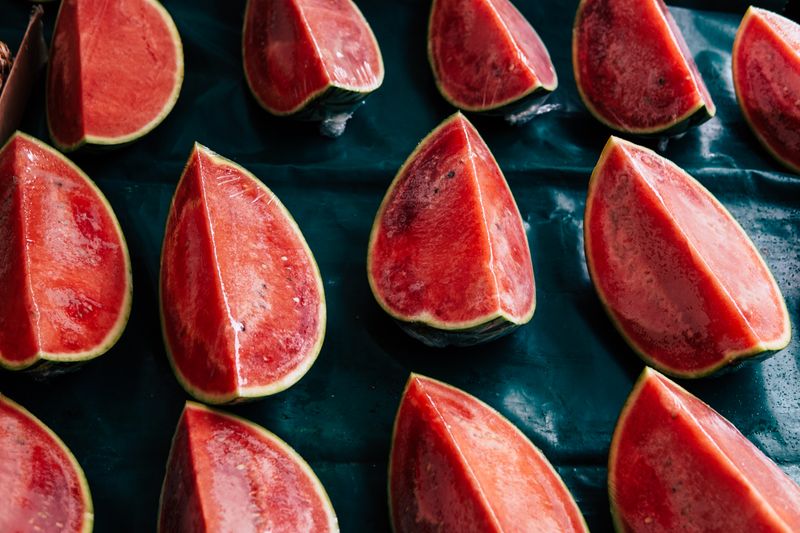
Water, Vitamins and Antioxidants
Watermelon is roughly 90% water, plus vitamin C, vitamin A, and antioxidants like lycopene, which gives the flesh its red color. It's also relatively low in calories compared to many other fruits.
10 Health Benefits of Watermelon
1. Helps Keep the Body Hydrated
The high water content makes watermelon a good choice to support hydration, especially in hot weather or after exercise.
2. A Source of Lycopene Antioxidants
Lycopene in watermelon is an antioxidant that general nutrition research links to protecting cells from oxidative stress.
3. Supports Skin Health
Vitamin A and C in watermelon play a role in collagen formation and general skin health as part of a balanced diet.
4. Low in Calories, Great for a Healthy Snack
Compared to processed snacks, watermelon offers natural sweetness with far fewer calories — a lighter snack option for most people.
5. Contains Natural Electrolytes
Watermelon contains potassium, an electrolyte that generally supports muscle function and the body's fluid balance.
6. Supports Heart Health
Some nutrition studies link the lycopene and citrulline in watermelon to supporting cardiovascular health as part of an overall healthy diet.
7. Aids Digestion
The water content and small amount of fiber in watermelon can help support smooth digestion when eaten as part of a fiber-rich diet.
8. A Weight-Management-Friendly Snack
High water content and low calories make watermelon a filling snack without adding many calories — suitable for those watching their daily intake.
9. A Natural Source of Vitamin C
Vitamin C generally supports the immune system, and watermelon is a natural source that's readily available year-round in Malaysia.
10. Refreshing After Physical Activity
The combination of water, natural sugars and electrolytes makes watermelon a popular choice for refreshing the body after sports or outdoor activity.

Did You Know?
💡 Botanically, watermelon actually belongs to the gourd family (Cucurbitaceae) — the same family as cucumbers and squash. Some even classify it as a vegetable rather than a fruit, though it's eaten as a fruit in most countries.
💡 Watermelon rind is edible too and is often pickled in some cultures — though in Malaysia, typically only the flesh is eaten.
How to Enjoy Watermelon for the Best Benefits
Eat It Fresh Rather Than Processed
Eating watermelon as fresh slices or unsweetened juice retains more nutrients compared to processed watermelon products with added sugar.
Pick a Fully Ripe Watermelon
A fully ripe watermelon usually has higher lycopene content than one picked early — look for a deep hollow sound when tapped and a clear yellow spot on the underside.
Try It as Fresh Juice Without Added Sugar
If you run a juice shop or café, unsweetened fresh watermelon juice is a popular way for customers to enjoy these benefits. Read our best-selling watermelon juice tips for menu ideas.
FAQ
How much watermelon can I eat per day?
There's no strict limit, but like any fruit, it's best enjoyed in moderation as part of a balanced diet. People with specific health conditions (such as diabetes) should discuss suitable amounts with their doctor.
Does yellow watermelon have different benefits from red watermelon?
Both are rich in water and vitamins. Red watermelon is higher in lycopene due to its red pigment, while yellow watermelon contains a different pigment (beta-carotene).
Can you eat watermelon seeds?
Yes, watermelon seeds are safe to eat and some people roast them as a snack, though they're not commonly eaten as a main food in Malaysia.
What's the best time of day to eat watermelon?
There's no scientifically "best" time, but many people enjoy watermelon after exercise or during a hot afternoon for quick hydration. Avoid eating large amounts right before bed if you're sensitive to the fruit's natural sugar content.
Conclusion
Watermelon is more than just a hot-weather refresher — its water, vitamin and antioxidant content make it a worthwhile snack choice as part of a balanced daily diet. Enjoy it in moderate amounts and pick fully ripe fruit for the best benefits.
For fresh watermelon in bulk for your stall, café or event, check our product range on the homepage or estimate your needs with our bulk calculator.
Order Fresh Watermelon Today
Need quality fresh watermelon for your stall, café or family? WhatsApp us now for a quote.